Qwen3.8-27b is here - and it's another colossal improvement

Everyone and their harness has been waiting for this day. After the quantum leap that was Qwen3.6-27b, the open source AI community has been carefully watching Alibaba’s Qwen Team for months, with endless speculation about continued open weights support, fears of government regulation and the very real possibility that the GPU poor can finally run a frontier-quality model in the comfort of their own home.
Expectations were very high since the release of Qwen3.6-27b. What’s surprising here is that the Qwen Team skipped Qwen3.7’s open weights release altogether and decided to release Qwen3.8 instead. The difference between 3.6 and 3.8 is night and day.
The most shocking part of all this is not just how much of a difference in performance there is between both generations of models, but also the fact that Qwen3.8-27B has demonstrated the capacity to meet or surpass even Anthropic’s Opus 4.6 Max model in several benchmarks!
Take a closer look, Sayla will guide you:
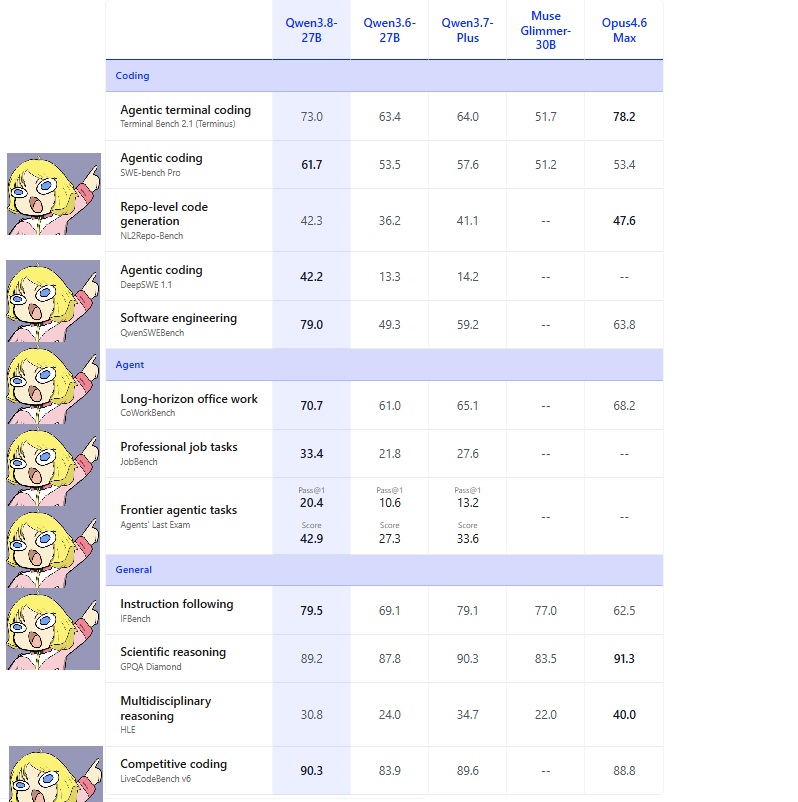
That’s a lot of Saylas! These benchmark scores hold some pre-tty bold claims and, if true, serve as an affront to frontier models and a sign of a YUGE paradigm shift that occurred much earlier than expected. But do the numbers hold up? Let’s examine some case studies.
Retrocraft
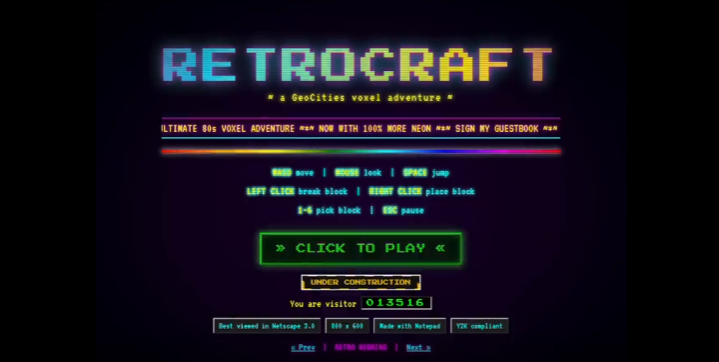
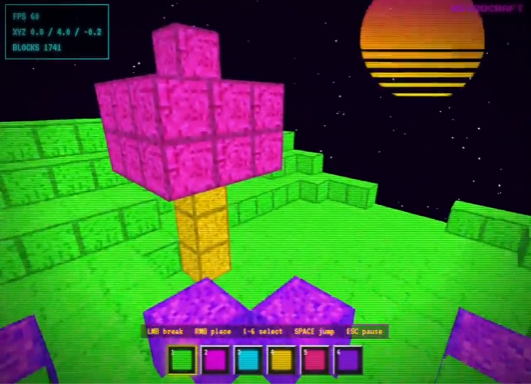
A redditor by the name of u/No-Statement-0001 successfully one-shot Retrocraft - a trippy, voxel-based Minecraft clone with qwen3.8-27b-q8, a Q8 quantized variant of the model, containing half the size of the original 27B model while retaining the original size’s quality with only two NVIDIA 3090 GPUs.
Grok API Interface
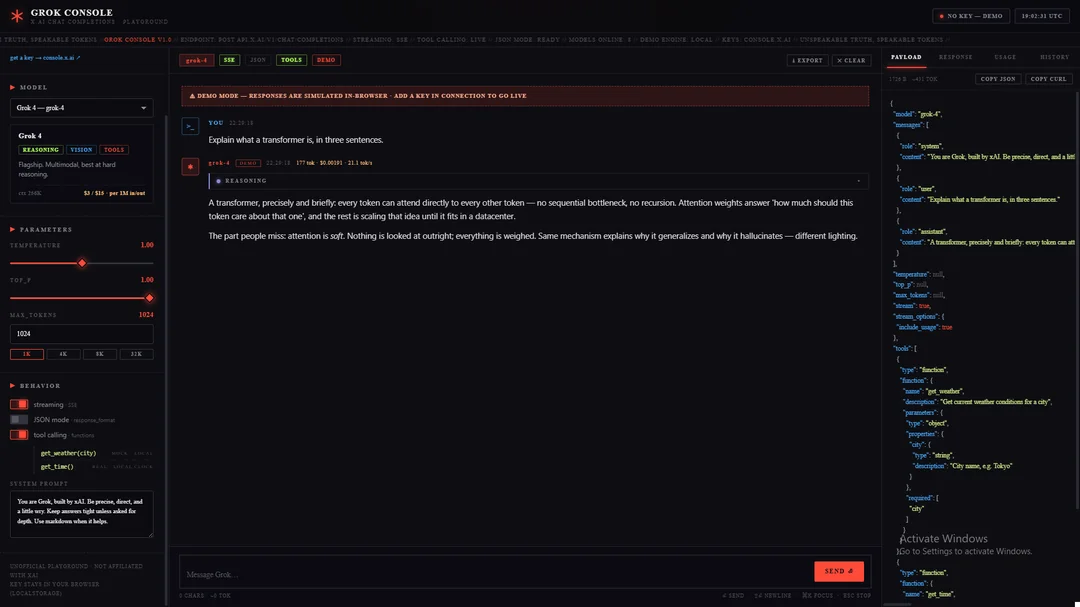
Another redditor who goes by the name of u/Whole_Alternative_18 demonstrated a side-by-side comparison between 3.8’s and 3.6’s UI design capabilities. The objective of this test was to build an API interface for Grok.
Qwen3.6-27B
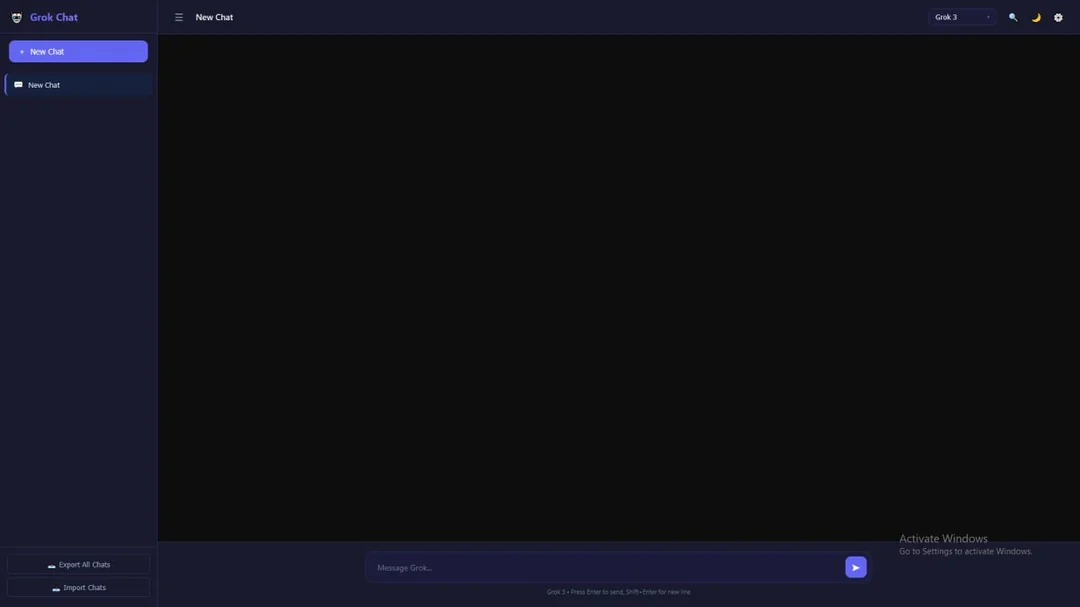
Let’s see Paul Allen’s Grok (Qwen3.8-27B)
Aquarium Burst Sample Test
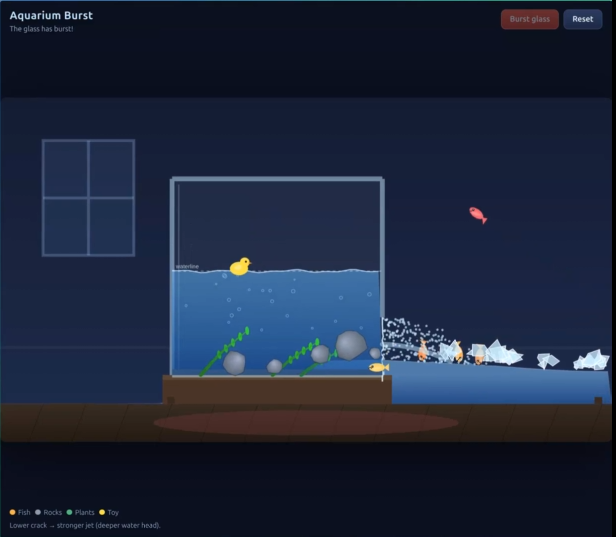
One of the most impressive demos I have seen today is the Aquarium Burst Sample Test by u/live4evrr, featuring a smooth, real-time animation of an aquarium leaking water from the bottom of the tank, leading to the fish being flushed out in a chaotic stream. This was completed end-to-end in a single one-shot prompt with absolutely no follow-up by the user.
The Drawbacks
Despite demonstrating incredibly promising performance, Qwen3.8-27b is not without its criticism. Currently, the main complaints appear to be excessive reasoning from the model, albeit you can adjust its reasoning levels between low and xhigh to mitigate that.
Fortunately, in my experience the model does not seem to fall into repetitive reasoning loops but rather it seems to meticulously think about every angle of a problem before finally committing to a decision. While this may significantly reduce the number of prompts required to complete your project, it comes with the added wait time you need to accept if you want it to do a good job autonomously, that’s my take.
I myself am pretty risk-averse when it comes to setting reasoning effort so I prefer to just keep it at xhigh all the time and not take any chances. Having a good harness and a good set of instructions for your agent also goes a long way, even if this bot can one-shot a lot of impressive tasks.
The Takeaway
All-in-all, the local AI community’s response to this model’s release has been overwhelmingly positive, and it’s a huge day for the open source world. Qwen Team’s latest model release has been nothing short of a slam dunk and we can’t wait to see what comes next!